
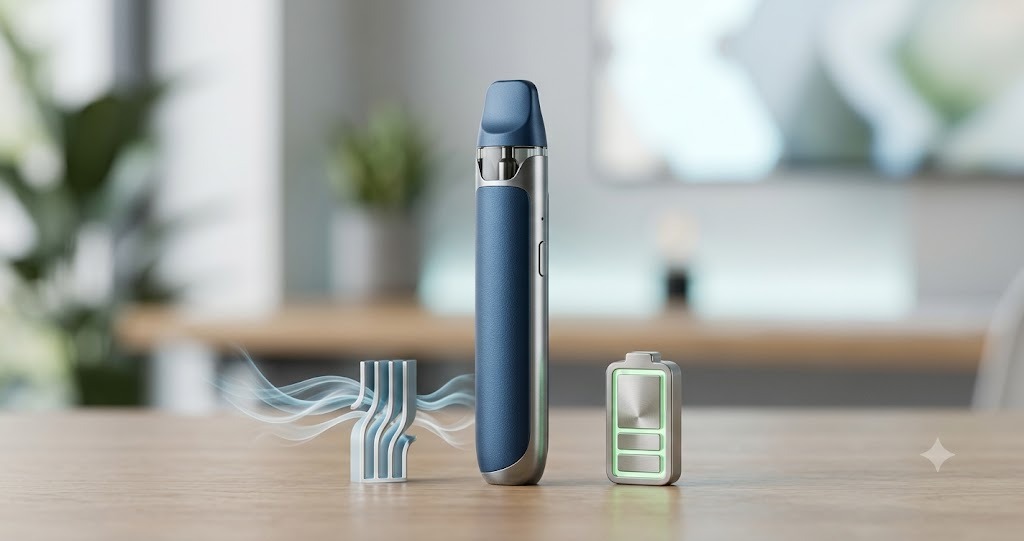

Struggling with clogged hardware, uneven vapor output, or sudden battery failure halfway through a cartridge ruins your entire experience. Hardware failures waste valuable product and disrupt your routine. Over 40% of standard consumer vaporizers experience performance degradation due to improper voltage regulation and poor air intake design.
The latest hardware overhaul resolves these persistent operational issues completely. The 3rd Gen Muha Hardware Upgrade: Airflow, Battery, and Design Changes 3rd gen muha brings essential re-engineering to intake channels, cell capacities, and external chassis engineering. Understanding these modifications helps you maximize device longevity, prevent burning, and ensure steady vapor production.
What is the 3rd Gen Muha Hardware Upgrade: Airflow, Battery, and Design Changes 3rd Gen Muha?
The 3rd Gen Muha Hardware Upgrade: Airflow, Battery, and Design Changes 3rd gen muha refers to a comprehensive structural and electrical refresh of the brand’s proprietary hardware platform. Standard legacy hardware relied on single-intake ports and basic micro-USB charging, leading to frequent clogging and inconsistent thermal control.
This updated edition integrates a high-density 350mAh lithium-ion battery cell paired with a modern USB-C charging interface. Engineering teams expanded internal fluid dynamics by implementing a dual-channel intake system that feeds directly to a ceramic heating core. These structural enhancements ensure complete oil utilization while maintaining steady voltage output from full charge to depletion.
Hardware reliability directly impacts overall satisfaction. To learn more about brand history and hardware evolution, explore our guide on
How Has the Battery and Charging System Improved in 3rd Gen Hardware?
Battery performance directly dictates heating consistency and flavor integrity. Older devices often suffered from voltage drop, leading to weak vapor output as the charge depleted.
+------------------------+-----------------------+-----------------------+
| Hardware Feature       | Legacy Generation     | 3rd Generation        |
+------------------------+-----------------------+-----------------------+
| Battery Capacity       | 280mAh                | 350mAh                |
| Charging Port          | Micro-USB             | USB-C Fast Charge     |
| Voltage Regulation     | Fixed Unregulated     | Constant Smart Chipset|
| Charge Time            | 60-75 Minutes         | 30-40 Minutes         |
+------------------------+-----------------------+-----------------------+
The 3rd Gen Muha Hardware Upgrade: Airflow, Battery, and Design Changes 3rd gen muha incorporates a modern 350mAh internal cell regulated by an integrated micro-chipset. This system prevents thermal runaway and delivers uniform voltage to the ceramic element across every draw cycle.
Rapid recharging via USB-C eliminates prolonged downtime. The internal board cuts power automatically once full capacity is reached, protecting the battery chemistry against overcharging degrade over time.
What Design and Airflow Changes Stop Clogging in 3rd Gen Muha?
Clogging occurs when unvaporized oil cools and solidifies inside narrow air passages. Legacy designs relied on a single narrow chimney, creating negative pressure traps that pulled cold liquid into the mouthpiece.
The 3rd Gen Muha Hardware Upgrade: Airflow, Battery, and Design Changes 3rd gen muha solves fluid blockages by utilizing dual-pathway intake ports. Air flows simultaneously around and through the central chamber, lowering draw resistance significantly.
-
Dual air-intake ports prevent oil accumulation inside the primary shaft.
-
Upgraded ceramic core heats evenly without scorching dense extracts.
-
Medical-grade plastic housing resists impact and high operational heat.
-
Tactile matte finish improves outer grip and handling durability.
-
Sealed internal gaskets stop bottom-reservoir oil leakage entirely.
Improved structural sealing maintains tight chamber pressure. You can review broader product lineups by visiting our breakdown of
How Does 3rd Gen Hardware Compare to Legacy Models?
Evaluating structural iterations highlights why hardware revisions are necessary for extract delivery. A side-by-side assessment reveals how component upgrades improve everyday reliability.
The shift from traditional wire-and-wick assemblies to advanced porous ceramic elements represents a major technological leap. Ceramic cores distribute heat over a broader surface area, preserving delicate aromatic compounds without burning raw oil.
Understanding operational mechanics helps users troubleshoot hardware quickly. For broader context on modern digital creative spaces and technical product layouts, see
How Do You Operate and Maintain 3rd Gen Muha Hardware?
Maximizing device lifespan requires proper operational habits and basic hardware hygiene. The 3rd Gen Muha Hardware Upgrade: Airflow, Battery, and Design Changes 3rd gen muha features simplified auto-draw technology, but routine care remains essential for top performance.
-
Store the device upright in cool environments between 65°F and 72°F to keep viscous oil settled over the intake ports.
-
Use standard 5V USB-C power adapters to charge the battery without stressing the internal circuit board.
-
Keep the mouthpiece clean using dry cotton swabs to remove external debris and moisture buildup.
-
Take steady 3-to-5 second draws to avoid pulling unvaporized liquid into the upper airflow chimney.
Proper storage prevents pressure imbalances inside the tank. General engineering standards detailed on public repositories like
Frequently Asked Questions
How long does the 3rd Gen Muha battery last on a single charge?
The upgraded 350mAh battery provides enough power for approximately 200 to 250 draws depending on individual intake duration.
Why is the 3rd Gen USB-C charging feature better than older ports?
USB-C supports higher power efficiency, allowing the device to recharge completely in 30 to 40 minutes while offering superior durability over legacy micro-USB ports.
How does the dual-airflow design prevent hardware clogging?
Dual air intakes distribute negative suction pressure evenly across the heating core, preventing concentrated oil buildup inside the central inhalation shaft.
Upgrade Your Hardware Experience
The 3rd Gen Muha Hardware Upgrade: Airflow, Battery, and Design Changes 3rd gen muha sets a clear performance standard by solving common battery, airflow, and structural flaws. Upgraded dual-intake ports eliminate frustrating clogs, while the 350mAh USB-C battery ensures consistent power output without constant recharging. Inspect your current device, transition to upgraded hardware, and browse our comprehensive hub covering